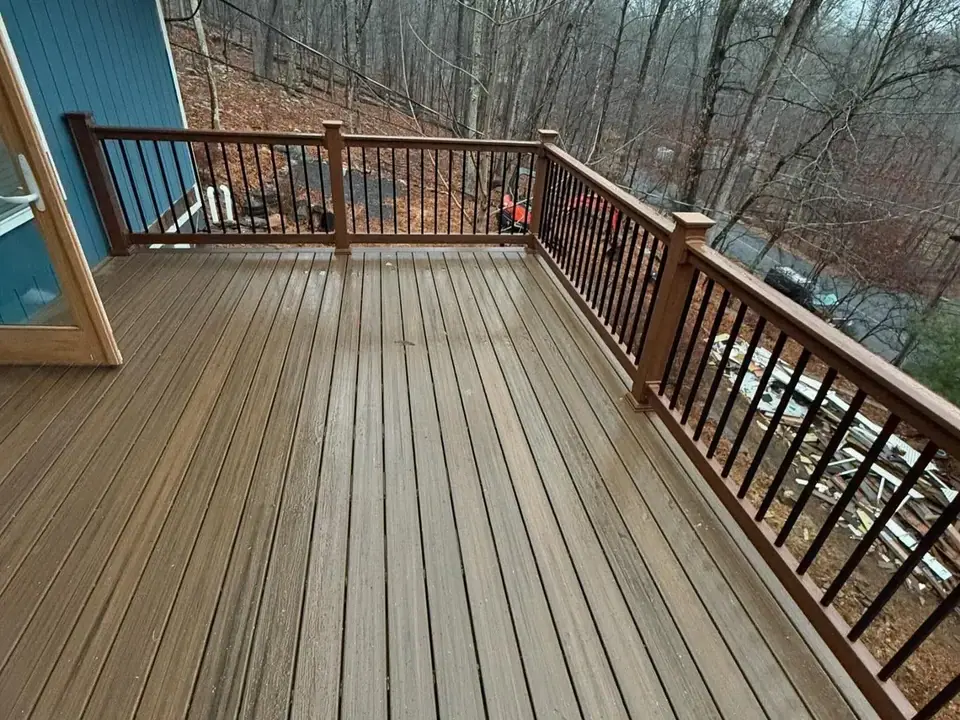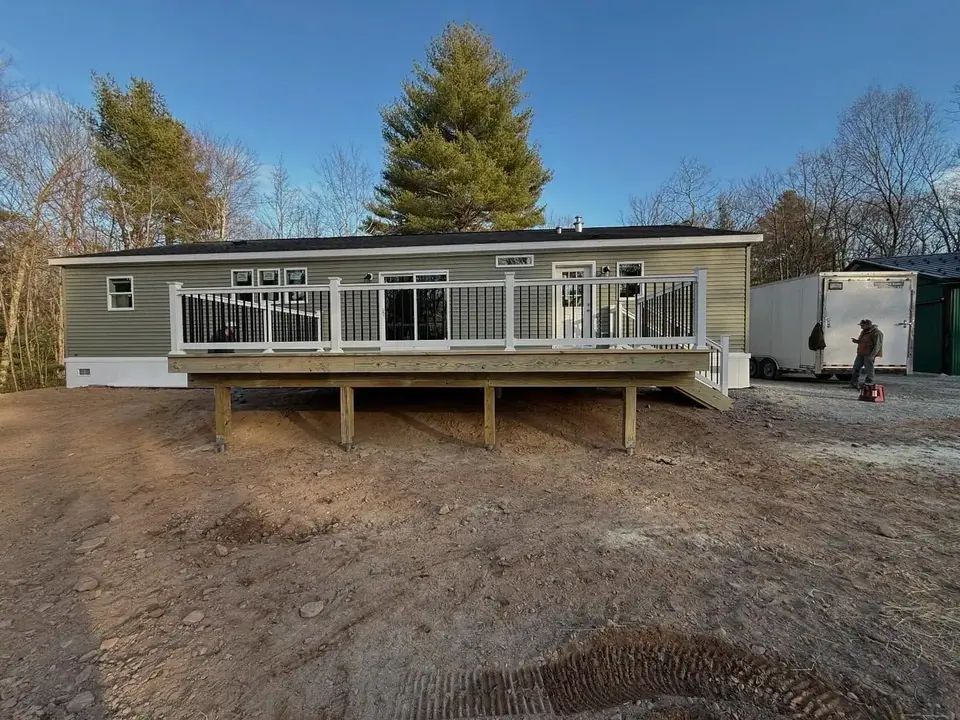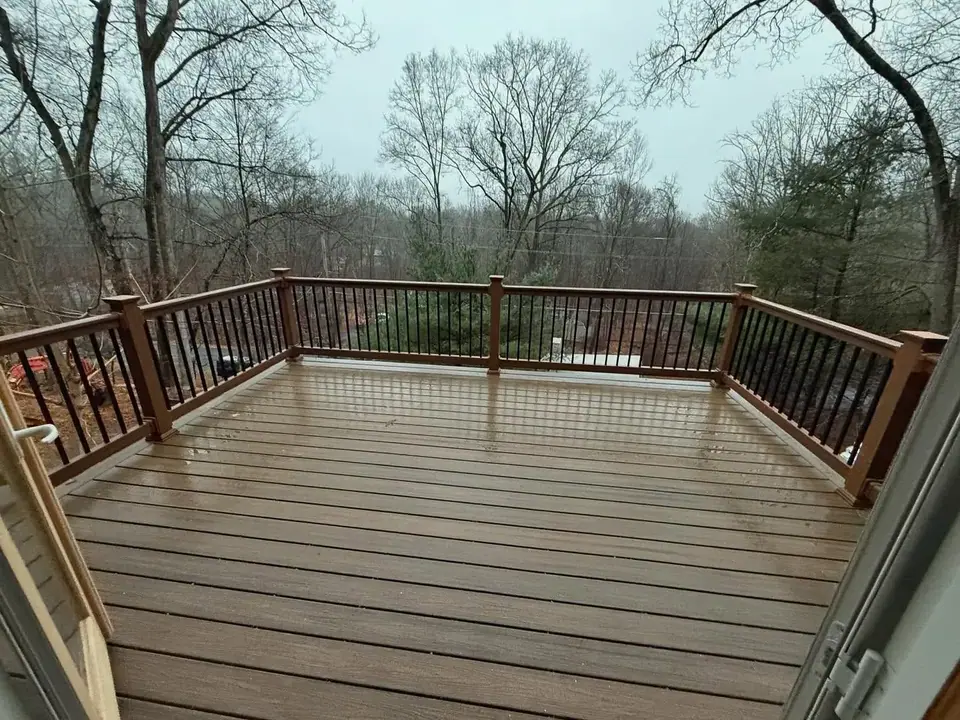
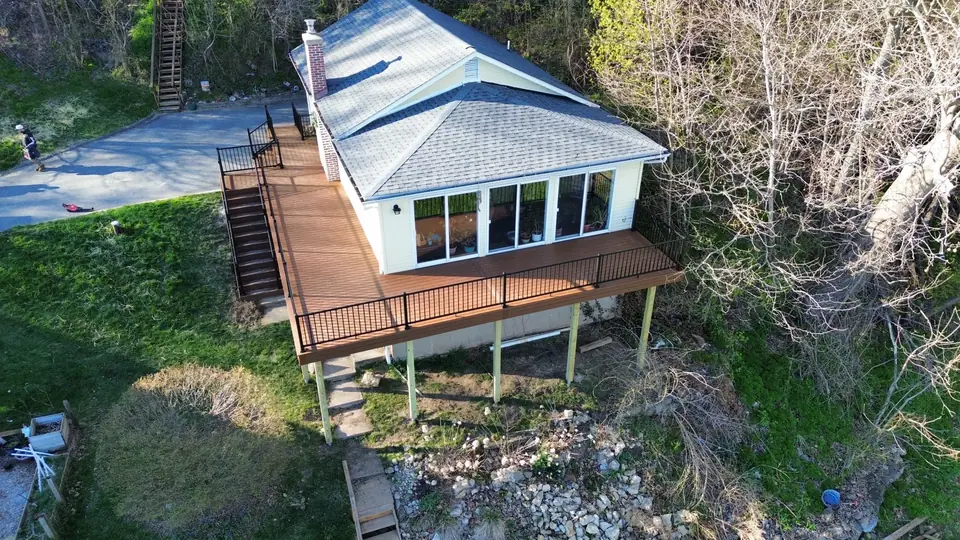
Composite Deck Installation Guide: Everything You Need to Know
A planning guide to composite deck installation: how the boards behave, planning, framing, board layout, railings, stairs, and common mistakes.
On this page
Understanding Composite Decking Basics
Before you build anything, it helps to understand what composite decking is and why it behaves differently from wood.
Composite decking is made from a blend of wood fibers and plastic. This combination creates boards that look similar to wood but respond differently to moisture and temperature changes.
Homeowners in Nazareth, PA, often choose composite decking for reliability and consistency. It resists common issues that shorten the lifespan of wood decks.
Key composite decking characteristics include:
- Moisture Resistance: Composite boards are less likely to rot, swell, or absorb water during heavy rain or snowmelt.
- Low Upkeep Needs: No regular staining or sealing is required, which saves time year after year.
- Uniform Appearance: Boards are manufactured for consistent color and texture across the deck surface.
- Comfort and Safety: Many products are splinter-resistant and smoother under bare feet.
When people ask us: How to install a composite deck? We explain that these boards expand and contract more predictably than wood, but spacing rules matter. Following manufacturer guidelines is essential for long-term performance.
Composite decking also comes in capped and uncapped styles, different grain patterns, and multiple color options. Choosing the right board depends on sun exposure, foot traffic, and overall design goals.
Planning Your Composite Deck Project
Planning is where a dependable deck begins. Skipping steps here often leads to delays or rework later.
Start by defining how you want to use the deck. A quiet reading space requires different features than an entertainment area for family gatherings.
Important planning steps include:
- Purpose and Layout: Decide where furniture, grills, or walkways will go before setting dimensions.
- Local Building Codes: Nazareth, PA, has requirements for footing depth, railings, and stair safety.
- Permit Approval: Most deck projects require permits and inspections to confirm compliance.
- Drainage and Airflow: Proper slope and ventilation help prevent water buildup under the deck.
When installing a composite deck, it is also important to plan for sunlight. Darker boards can feel warmer in direct sun, while lighter tones stay cooler.
Budget planning is another critical step. Composite materials cost more upfront than wood, but reduced maintenance often balances that over time. Always include room in the budget for unexpected adjustments.
Thoughtful planning keeps the project moving smoothly from start to finish.
Tools and Materials You Will Need
Having the right tools ready before installation begins saves time and prevents mistakes.
Most composite deck builds use familiar carpentry tools, with a few specific additions.
Common tools include:
- Circular Saw With Fine Tooth Blade: Produces clean cuts without chipping composite material.
- Drill and Impact Driver: Needed for framing fasteners and specialty deck clips.
- Tape Measure and Chalk Line: Help maintain straight lines and accurate spacing.
- Level and Square: Keep framing and boards aligned correctly.
- Safety Equipment: Gloves, eye protection, and hearing protection should always be used.
For homeowners considering DIY composite deck installation, it is important to remember that composite boards are heavier than wood. Extra hands make handling long boards safer and easier.
Material selection also matters. Pressure-treated lumber is typically used for framing, while composite boards and matching fasteners complete the surface.
Using compatible materials ensures the system works as intended.
Building a Strong and Level Frame
The frame supports everything above it. If the structure is not solid, even high-quality decking will not perform well.
Start with properly placed footings set below the frost line. This is especially important in Nazareth, PA, where freezing temperatures cause ground movement.
Key framing considerations include:
- Footing Placement: Supports posts and prevents shifting over time.
- Joist Spacing: Composite decking often requires tighter spacing than wood.
- Level and Square Alignment: Prevents uneven boards and visual issues later.
- Moisture Protection: Joist tape or membranes help extend the life of framing lumber.
Taking extra time during framing helps prevent squeaks, sagging, and uneven surfaces.
A well-built frame also makes board installation faster and more accurate.
Installing Composite Deck Boards the Right Way
With the frame complete, board installation brings the deck to life. This step requires patience and attention to spacing.
Composite boards need room to expand and contract. Manufacturer guidelines account for temperature at installation and should be followed closely.
Take a look at some helpful composite deck installation tips:
- Start from a Straight Reference Edge: Usually, the house or rim joist sets the line for the entire deck.
- Use Proper Spacing Clips: Maintains even gaps between boards for drainage and movement.
- Check Alignment Frequently: Small corrections early prevent large problems later.
- Avoid Forcing Boards: Let the fastening system control spacing naturally.
Board orientation matters as well. Many composite boards have directional grain patterns that look best when installed consistently.
Clean, square cuts and finished edges give the deck a polished appearance.
Railings, Stairs, and Finishing Touches
Railings and stairs are essential for safety, but they also shape the overall look of the deck.
Composite railing systems are designed to meet code requirements while matching deck boards.
Important finishing elements include:
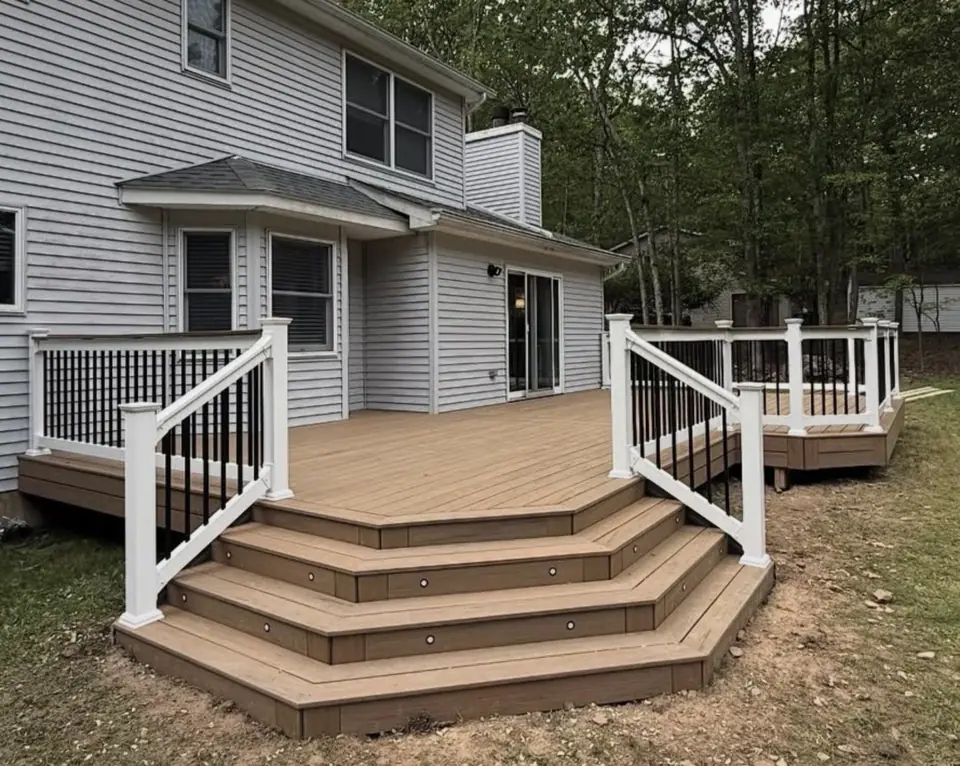
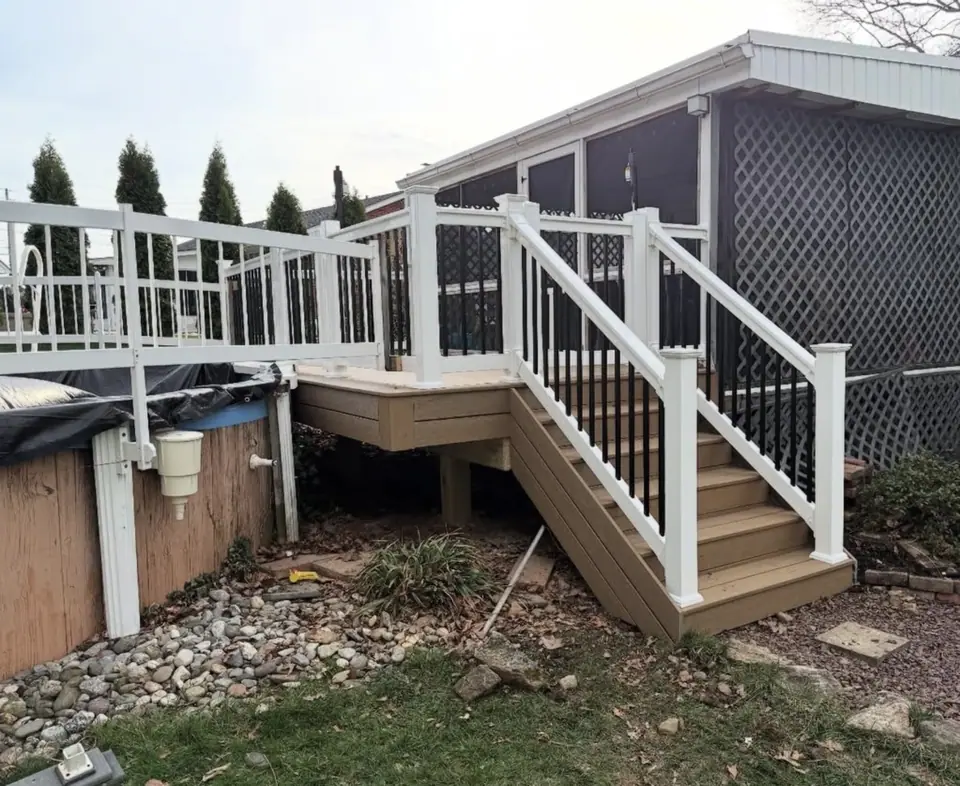
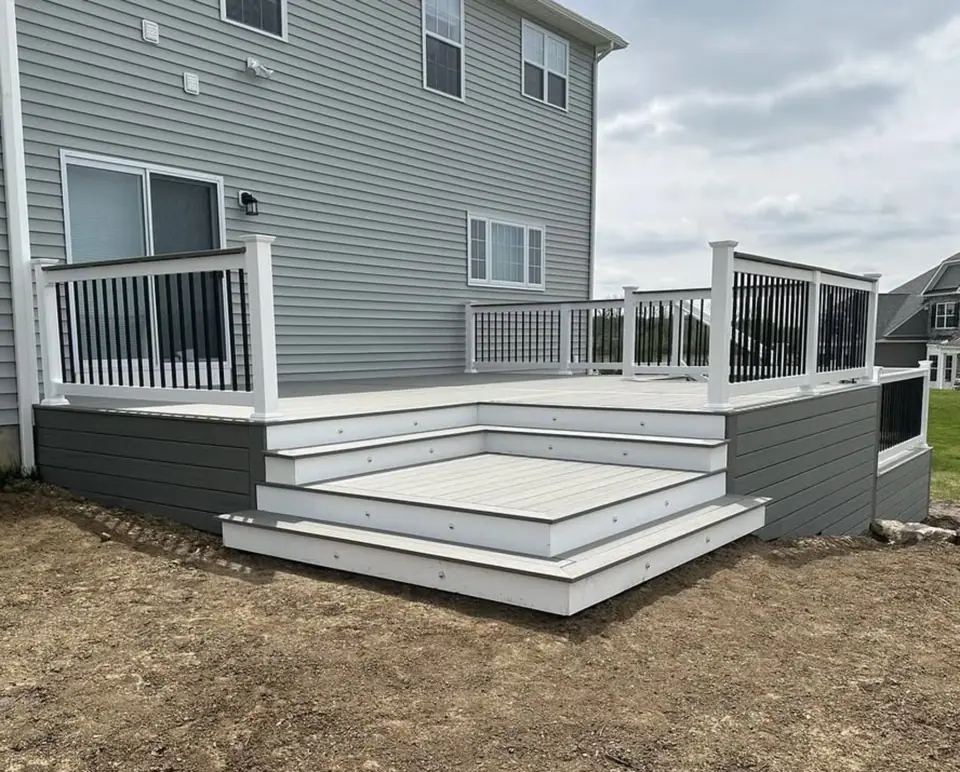
- Code Compliant Railings: Required for elevated decks and stairs.
- Consistent Stair Rise and Run: Improves comfort and reduces tripping hazards.
- Lighting Options: Adds visibility for evening use and winter conditions.
- Fascia Boards and Trim: Cover exposed framing for a clean edge.
In Nazareth, PA, homeowners often consider winter conditions when choosing finishes. Smooth, properly installed surfaces are easier to clear and manage.
Finishing details turn a basic structure into a usable outdoor space.
Common Mistakes to Avoid
Many deck problems come from avoidable errors. Knowing what to watch for protects your investment.
Common issues include:
- Skipping Permits or Inspections: Can lead to costly corrections later.
- Incorrect Joist Spacing: Causes flexing or sagging over time.
- Improper Fasteners: May void warranties or damage boards.
- Ignoring Drainage: Leads to moisture buildup and framing wear.
- Underestimating Labor Demands: Composite materials are heavier and require planning.
When questions come up, consulting a professional can help confirm plans and prevent setbacks.
Conclusion
A composite deck is a long-term addition to your home, and the results depend on how well it is planned and installed. With the right approach, materials, and guidance, your deck can handle years of use and changing weather.
This composite decking installation guide was created to give Nazareth, PA, homeowners practical information they can rely on. Whether you plan to manage part of the work yourself or prefer professional installation, understanding the process helps you make confident decisions.
At LVMC Decks, reliability matters. We believe in clear communication, steady timelines, and work done right the first time. If you would like to talk through your project or schedule a consultation, call (267) 301-7047. We are here to help you build a deck you can depend on.