How to Prepare Your East Stroudsburg Yard for a New Patio
Learn how to prepare your East Stroudsburg yard for patio construction, including grading, drainage, soil conditions, material selection, and landscaping.
On this page
A new patio gives you a solid, functional outdoor space where you can eat, entertain, relax, and enjoy your yard without dealing with uneven grass, mud, or standing water. But the work that happens before the first paver or concrete pour determines how well the patio performs for years to come.
East Stroudsburg yards come with their own challenges. Slopes, clay soils, mature tree roots, and seasonal drainage patterns all affect how a patio should be planned and built. Here is what to think through before patio construction begins.
Evaluate Your Yard’s Grade and Drainage
Before any patio construction project, the grade of your yard needs evaluation. Water must drain away from the patio surface and away from your home’s foundation. If the yard slopes toward the house, grading work is needed to redirect the flow.
In East Stroudsburg, spring snowmelt and heavy summer rains create significant water volume. A patio built on poorly graded ground will collect puddles, erode the base material, and eventually settle unevenly. Proper grading during site preparation prevents all of these problems.
Know Your Soil Conditions
The soil under your patio carries the weight of the surface material, the furniture, and everyone who uses the space. Clay-heavy soils, which are common in parts of the Poconos region, expand when wet and shrink when dry. That movement can crack concrete and shift pavers over time.
A qualified builder assesses the soil conditions during the design consultation and determines whether the base needs additional preparation. Compacted gravel, proper drainage layers, and the right base depth all depend on what the soil is doing underneath.
Decide on the Patio Style That Fits Your Space
Patio construction comes in several forms, and the right style depends on your yard, your home, and how you plan to use the space.
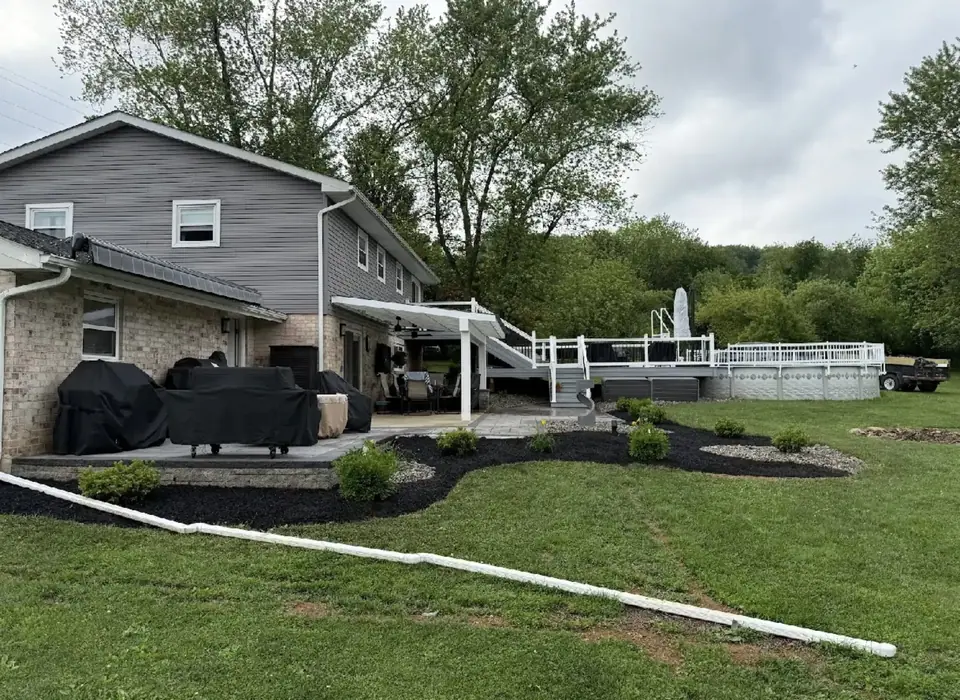
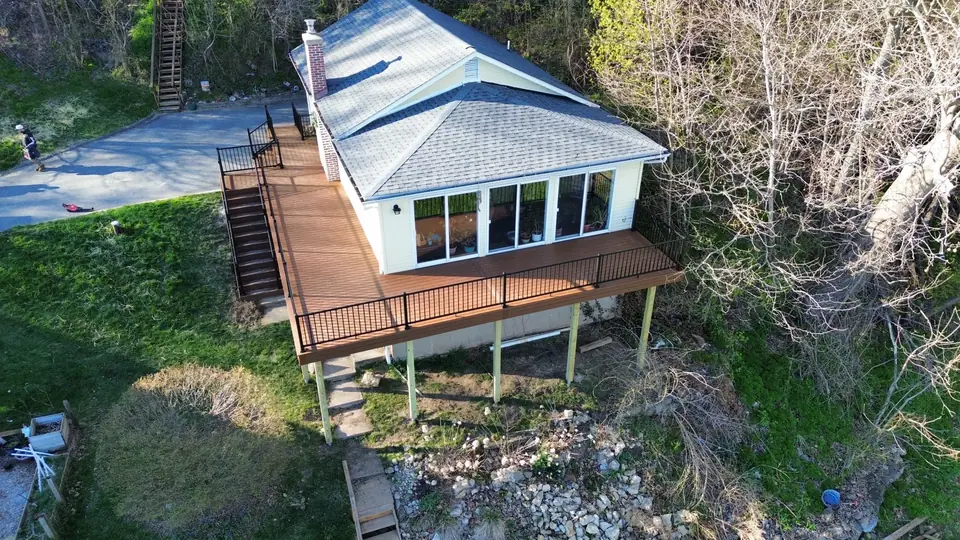
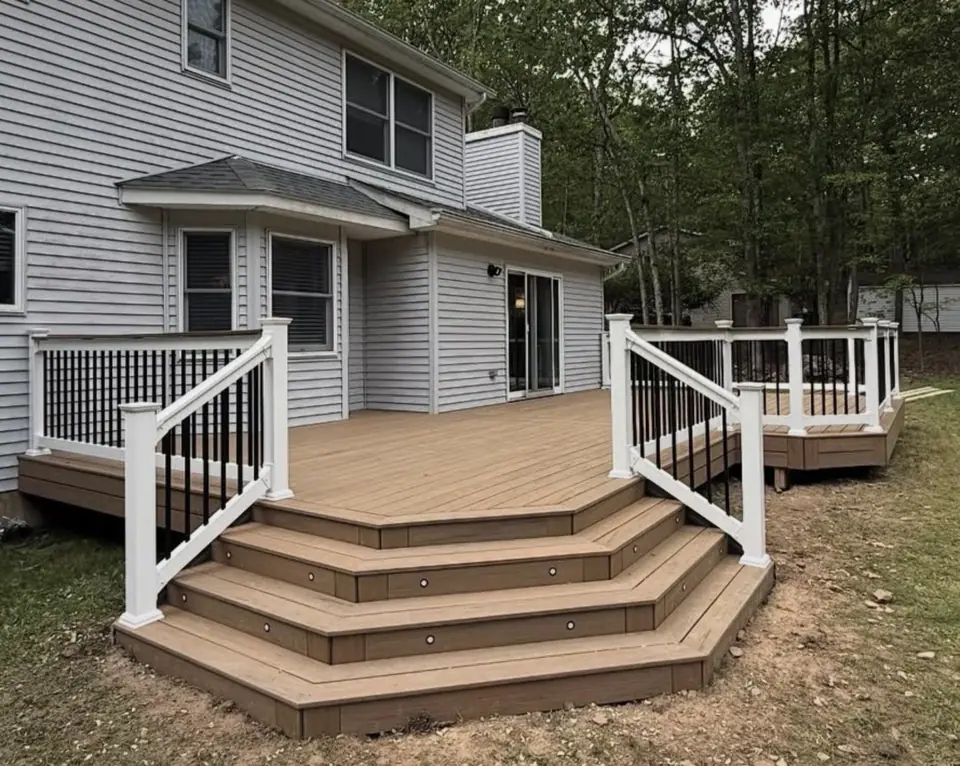
An attached patio connects directly to your house and creates a seamless flow from indoors to outdoors. An open patio sits in full sun and sky, which works well for warm-weather use. A covered patio adds a roof overhead for rain and sun protection, extending usability through more of the year. Multilevel patios work well on sloped yards by creating tiered platforms that follow the natural grade.
Knowing which style fits your property helps your builder plan the layout, the foundation, and the material quantities before construction starts.
Choose Materials That Handle Pennsylvania Weather
East Stroudsburg gets cold winters, freeze-thaw cycles, heavy rain, and humid summers. The materials in your patio construction need to handle all four seasons without cracking, shifting, or deteriorating.
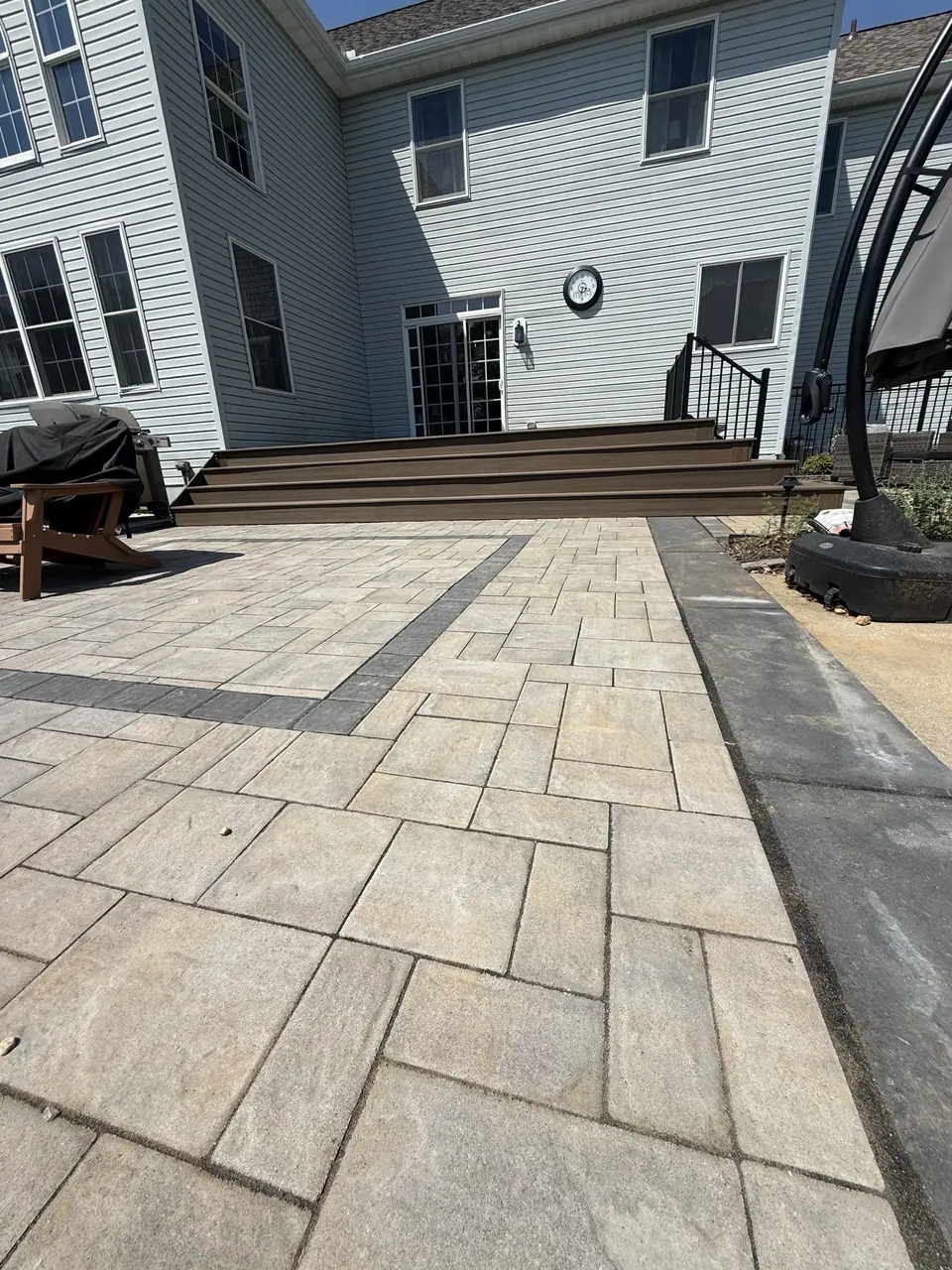
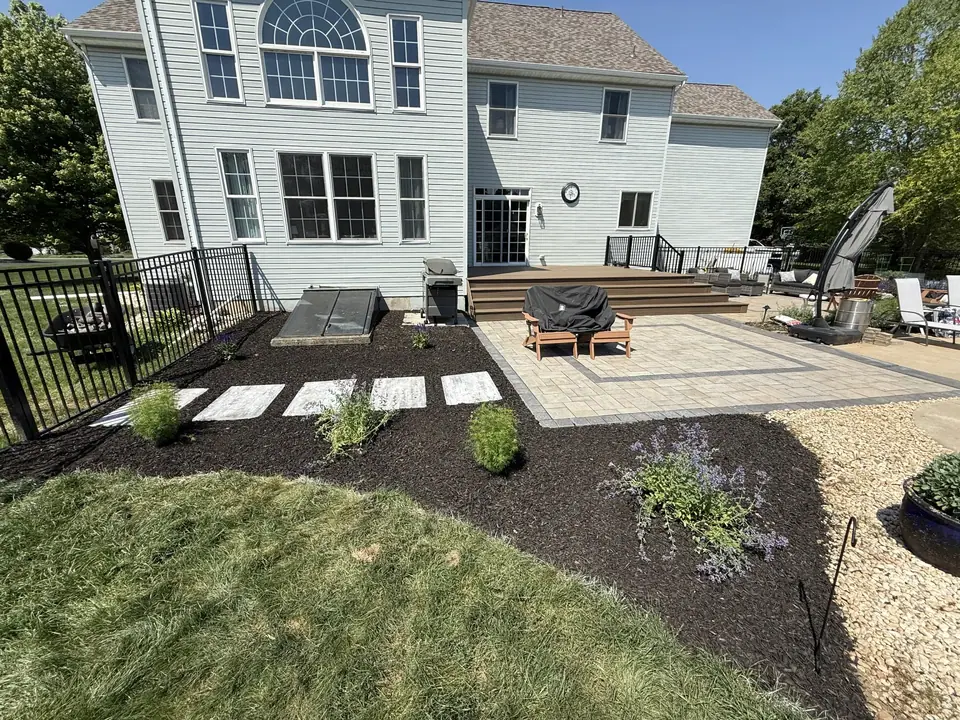
Concrete patios provide a durable, versatile surface that works for most residential projects. Stamped concrete adds decorative patterns and textures that mimic stone or brick at a lower cost. Pavers offer a modular surface that flexes slightly with ground movement, which reduces cracking in freeze-thaw conditions. Flagstone delivers a natural, textured look that blends with the surrounding landscape.
Each material has different base requirements, drainage needs, and installation methods. Your builder helps you match the material to your soil, your budget, and the look you want.
Clear the Area Properly
Before patio construction begins, the area needs to be cleared of vegetation, debris, and any obstructions. Sod, roots, rocks, and old landscaping features all need removal. If mature trees sit near the patio footprint, root systems may need to be addressed to prevent future lifting or cracking.
Landscaping around the patio edge also needs planning. Retaining walls and sitting walls along the perimeter define the space and hold back slopes. Mulch, stone, and plantings soften the transition between the patio and the surrounding yard.
Think About What Goes on the Patio
The features you plan to add on or near the patio affect the patio construction itself. If you want a firepit, an outdoor kitchen, built-in seating, or a pergola, the base and foundation need to account for the additional weight and utility connections.
Planning these features during the design phase is far easier and less expensive than adding them after the patio is already built. Your builder can reinforce specific areas, run utility conduits, and position footings during initial construction.
Work With a Design Consultation
A professional design consultation walks you through the layout, material options, and site-specific considerations before any construction begins. 3D and 2D design tools let you see the finished patio on your property, evaluate the proportions, and make changes before a single shovelful of dirt is moved.
This step saves time, prevents costly mid-project changes, and ensures the finished patio matches your expectations.
Get Your Yard Ready for Patio Construction
Proper preparation is the foundation of every successful patio construction project. Grading, soil assessment, material selection, and feature planning all need to happen before the build begins. LVMC Decks handles patio construction in concrete, stamped concrete, pavers, and flagstone, along with landscaping, retaining walls, and complete outdoor living design for homeowners in East Stroudsburg and the surrounding area. Call +1 267 301 7047 to schedule a design consultation and start planning your patio.